
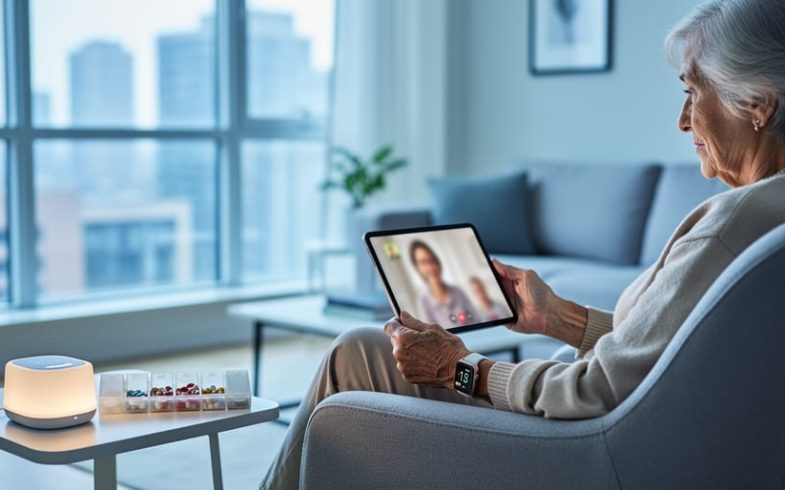
What Are Emerging Technologies to Support an Aging Population (and How Do They Work)?
Emerging technologies to support an aging population are digital and physical innovations designed to help older adults maintain independence, health, and quality of life as they age. These include smart home devices, wearable health monitors, robotics, telehealth platforms, and AI-powered systems that assist with daily tasks, medical care, and social connection.
By 2026, Canada and other developed nations face an unprecedented demographic shift. One in four Canadians is now over 65, a proportion that continues to climb as life expectancy increases and birth rates remain low. This population shift intersects directly with immigration policy: Canada welcomes hundreds of thousands of newcomers annually, many of whom arrive to support aging relatives or to fill critical gaps in elder care. The technologies emerging to serve this aging demographic do more than help individuals. They reshape how communities organize care, how families bridge generational and geographic distance, and how we design sustainable systems that don’t overwhelm healthcare infrastructure or caregiving workforces.
Take Maria, a 78-year-old in Toronto living alone after her husband’s death. A fall-detection system in her apartment alerts her daughter in Vancouver within seconds when she trips. A medication dispenser reminds her to take her pills and notifies the pharmacist if she misses a dose. Video calls with her grandchildren in Manila happen at the touch of a button on her tablet. These aren’t futuristic concepts. They’re working solutions already in thousands of Canadian homes.
This article explains how these technologies function, what types are available, and where they make the most practical difference. You’ll see how sensors, software, and human-centered design combine to address real challenges: mobility, medication management, cognitive decline, isolation, and the strain on family caregivers. The goal is clarity on what exists now and what it means for aging with dignity.
Understanding Emerging Technologies for Aging Populations
Emerging technologies to support an aging population are innovations developed specifically to help older adults maintain independence, health, and quality of life as they age. Unlike traditional assistive devices such as canes or hearing aids that have existed for decades, these technologies leverage recent advances in artificial intelligence, sensors, connectivity, and data analytics to provide proactive, personalized support.
The distinction matters because earlier assistive technologies were largely reactive, they helped compensate for existing limitations. A walker assists someone who already has mobility challenges. Today’s emerging technologies aim to prevent problems before they escalate, detect early warning signs, and adapt to individual needs in real time. A smart home sensor can identify changes in daily routines that might signal health decline weeks before a crisis occurs.
- Aging in place
- The ability for older adults to remain living independently in their own homes and communities as they age, rather than moving to institutional care facilities.
- Ambient assisted living
- Technology-enhanced environments that use sensors and smart devices to monitor residents and provide assistance unobtrusively in the background.
- Gerontechnology
- The interdisciplinary field combining gerontology (the study of aging) with technology development to create solutions that address the needs of older populations.
- Elder tech
- Consumer technologies designed specifically for older adults, focusing on usability, accessibility, and addressing age-related challenges.
The scope of these technologies extends beyond medical devices to encompass social connection tools, cognitive training systems, safety monitoring, and everyday convenience solutions. Their purpose is comprehensive: enabling older adults to live safely and independently while reducing strain on healthcare systems and family caregivers. For Canada’s aging population, these innovations represent practical pathways to maintain dignity and autonomy without requiring institutional care.
How These Technologies Work
Most aging support technologies operate through a continuous cycle of data collection, analysis, and response that enables proactive rather than reactive care. At the foundation, sensors embedded in wearables, home devices, and medical equipment gather information about an individual’s daily patterns, vital signs, and environmental conditions. This might include heart rate variability tracked through a smartwatch, movement patterns detected by motion sensors, or medication dispensing recorded by smart pill bottles.
The collected data flows through secure internet connections to cloud-based platforms where artificial intelligence algorithms process the information in real time. These AI systems establish baseline patterns for each individual, learning what constitutes normal activity levels, sleep schedules, and vital sign ranges. When deviations occur, a missed medication dose, an unusual period of inactivity, or a concerning change in heart rhythm, the system can distinguish between routine variations and potential emergencies.
The response mechanisms vary based on the severity and type of alert detected. Minor concerns might generate a gentle reminder on a tablet screen or a notification to a family member’s smartphone. More serious situations trigger immediate alerts to emergency contacts or healthcare providers, often including relevant data trends to inform their response. Some systems can initiate automated responses like adjusting home lighting after detecting a nighttime fall or unlocking doors for emergency responders.
Integration with healthcare systems represents a critical component of how these technologies function effectively. Electronic health records, care coordination platforms, and telehealth systems connect to create a comprehensive view of an individual’s health status. A physician reviewing remote monitoring data before a virtual appointment can spot trends that might otherwise go unnoticed during brief in-person visits, enabling earlier interventions for chronic conditions.
The infrastructure supporting these technologies requires reliable internet connectivity, interoperable systems that communicate across different platforms and devices, and robust privacy protections to secure sensitive health information. Power backup systems and redundant communication pathways ensure that critical monitoring continues even during outages, addressing the reality that many older adults live in areas with inconsistent connectivity or during Canadian winters when power interruptions occur more frequently.
Types and Components of Aging Support Technologies
Health Monitoring and Telehealth Systems
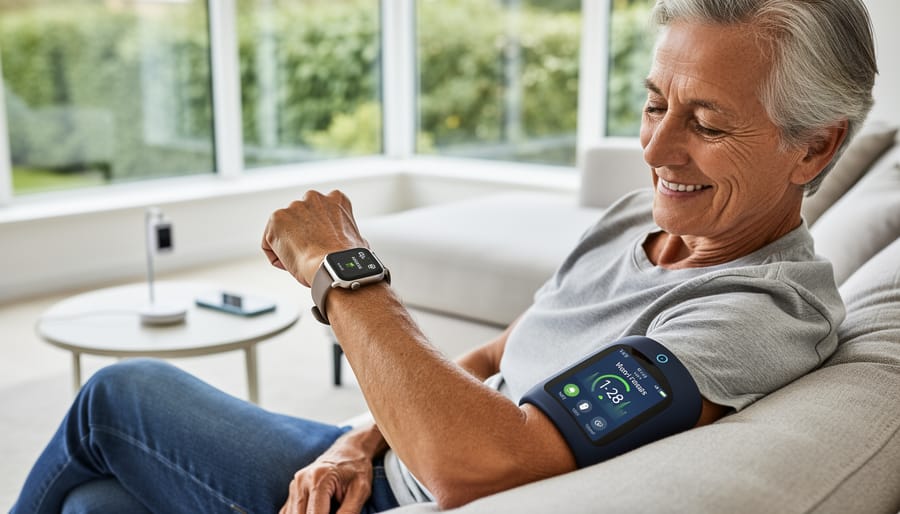
Health monitoring and telehealth systems put medical oversight directly into seniors’ homes through devices that track heart rate, blood pressure, oxygen levels, and activity patterns throughout the day. Wearable sensors, from smartwatches to adhesive patches, transmit data to healthcare providers who review trends and spot warning signs before they escalate into emergencies. This continuous remote monitoring enables assessment of conditions like diabetes and heart disease without requiring frequent clinic visits, reducing transportation barriers for those with limited mobility.
Virtual care platforms connect patients with doctors, nurses, and specialists through video consultations, making specialist care accessible to seniors in rural areas or those unable to travel. These systems integrate with electronic health records, letting providers track medication changes and test results in real time. Some platforms include AI-powered symptom checkers that triage concerns before a human clinician steps in, streamlining care while maintaining personal connection when it matters most.
Smart Home and Safety Technologies
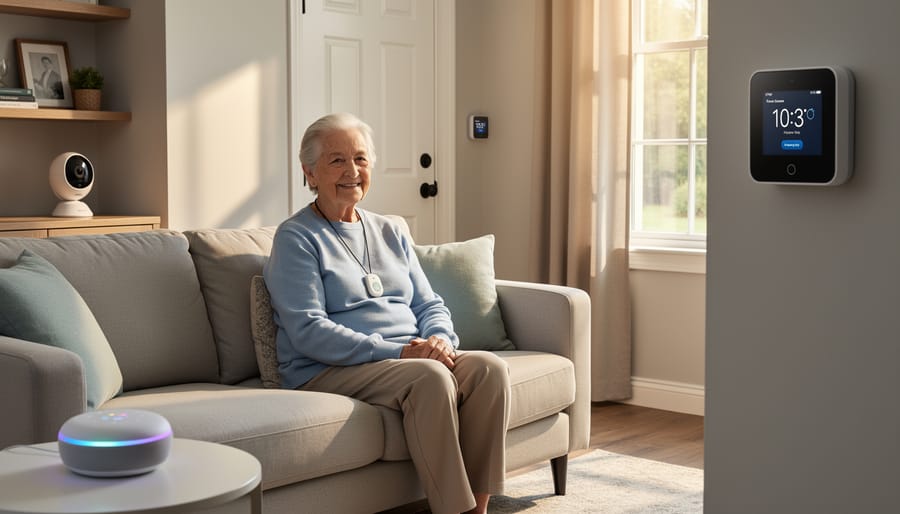
Smart home technologies turn ordinary houses into responsive environments that adapt to seniors’ needs. Motion sensors trigger lights automatically when someone gets up at night, eliminating fumbles for switches in the dark. Smart thermostats maintain comfortable temperatures without manual adjustment, while voice-activated assistants control everything from door locks to window blinds, removing the need to reach, bend, or climb.
Fall detection systems represent one of the most critical safety innovations. Floor sensors and wearable devices recognize the impact signature of a fall and immediately alert caregivers or emergency services. Evidence shows that properly configured smart home prevents falls through environmental monitoring and timely interventions. Some systems track movement patterns over time, flagging changes that might signal declining mobility or confusion before a serious incident occurs.
Water sensors prevent flooding from forgotten taps. Stove monitors shut off burners left on too long. Door sensors notify family members if someone wanders outside during unusual hours. These aren’t just conveniences; they’re the difference between aging at home and moving to supervised care, preserving independence while maintaining a safety net that responds faster than any human caregiver could.
Cognitive and Social Engagement Tools
Cognitive decline and social isolation rank among the most serious challenges facing older adults, but digital tools are opening new pathways for mental stimulation and human connection. Brain training applications like Lumosity and CogniFit offer personalized exercises that target memory, attention, and problem-solving skills through engaging games and puzzles. While research continues on their long-term efficacy, many users report feeling sharper and more confident in daily tasks.
AI-powered companions, from chatbots to robotic pets like Joy for All’s animatronic cats, provide conversation and comfort without judgment or fatigue. These systems learn individual preferences over time, remembering past discussions and adapting their responses accordingly.
Video communication platforms have evolved beyond basic calls, tools like GrandPad simplify interfaces for seniors unfamiliar with technology, featuring large icons and one-touch connections to family members. Virtual reality takes immersion further, transporting users to distant places or recreating cherished memories. A grandmother in Toronto might explore the Italian village where she grew up, or join a virtual book club with peers across the country. These experiences reduce feelings of loneliness while keeping minds active through novel stimulation.
Mobility and Physical Assistance Devices
Robotic assistance and mobility devices are transforming how older adults maintain physical independence. Powered exoskeletons, wearable robotic frames that support the legs and lower body, help individuals with weakened muscles walk longer distances and navigate stairs they couldn’t manage alone. These devices use sensors to detect the wearer’s intended movements and provide precisely timed motorized support.
Smart wheelchairs incorporate advanced navigation systems with obstacle detection, automatic braking, and voice control. Some models can adjust seating position automatically to prevent pressure sores, while others connect to smart home systems to open doors or adjust counter heights as the user approaches.
Robotic walkers go beyond traditional models by providing stability feedback, monitoring gait patterns, and even carrying belongings to reduce strain. GPS-enabled devices help seniors with mild cognitive impairment navigate familiar routes independently, sending alerts to caregivers if someone wanders outside designated safe zones.
These technologies don’t replace human assistance entirely, but they extend the window of independent living by compensating for specific physical limitations while maintaining user control and dignity.
Medication Management and Care Coordination
Managing multiple medications becomes more challenging with age, yet adherence is crucial when seniors take an average of seven prescriptions daily. Smart pill dispensers now automatically sort medications by time and day, dispensing the correct doses and alerting users when it’s time to take them. These devices can send notifications to family members or caregivers if a dose is missed, creating a safety net without constant in-person supervision.
Integrated care platforms go further by connecting doctors, pharmacists, home care workers, and family caregivers through shared digital systems. When a physician adjusts a prescription, the platform instantly updates medication schedules and alerts everyone involved. This prevents dangerous drug interactions and ensures that caregivers in different locations stay informed about treatment changes, reducing hospital readmissions caused by medication errors by up to 50% in pilot programs.
Uses and Applications in Real-World Settings
These technologies are moving rapidly from pilot projects to everyday practice across Canada’s aging care landscape. In Toronto, a network of community health centres has deployed remote monitoring systems that allow nurses to track vital signs for over 2,000 seniors living at home, reducing emergency room visits by 34% since 2024. The system alerts care teams when readings fall outside safe ranges, enabling early intervention before conditions escalate.
Retirement communities have emerged as testing grounds for integrated technology solutions. British Columbia’s Amica communities now incorporate motion sensors, automated lighting, and emergency response systems as standard features. Residents wear discreet wearable devices that detect falls and unusual activity patterns, automatically notifying staff. This layered approach has cut fall-related hospitalizations by nearly half while allowing residents greater freedom to move independently throughout the facility.
Home care agencies are leveraging medication management platforms that sync with pharmacy records and send alerts to family members when doses are missed. One Vancouver-based service reports that medication adherence among its clients jumped from 67% to 91% after introducing smart dispensers paired with video check-ins. Caregivers also receive real-time updates through mobile apps, coordinating schedules and sharing notes without constant phone calls.
These applications deliver measurable benefits across multiple dimensions:
- Enabling aging in place by providing safety nets that make home living viable longer
- Reducing caregiver burden through automated monitoring and coordination tools
- Improving health outcomes via early detection and consistent medication adherence
- Preventing emergencies through fall detection and environmental hazards monitoring
- Maintaining social connections using video platforms and AI companions
- Supporting independent living while ensuring help is available when needed
Rural and remote communities face unique challenges, but telehealth platforms are bridging geographic gaps. In Northern Ontario, seniors access specialists in Toronto or Ottawa without traveling, while local caregivers receive remote guidance on wound care and chronic disease management. A pilot program in Saskatchewan connects isolated seniors with weekly virtual social groups, combating the isolation that previously meant many moved away from their homes prematurely.
The impact extends beyond individual users. Hospital systems report shorter stays and fewer readmissions when discharged patients use remote monitoring at home. Long-term care facilities integrate these tools to stretch limited staff resources, allowing one nurse to oversee more residents safely.
Real Stories: Technology Supporting Seniors in Canadian Communities
Mariam Chen’s mother, who immigrated to Vancouver from Hong Kong in the 1990s, lives alone in her Burnaby apartment at 78. Last year, after Mrs. Chen fell while reaching for a pot in her kitchen, Mariam installed a wearable emergency alert device with automatic fall detection. Three months later, when her mother fell again in the bathroom, the device immediately alerted Mariam and emergency services. Paramedics arrived within twelve minutes. Mrs. Chen suffered only minor bruising, but Mariam credits the technology with preventing what could have been a much worse outcome had her mother lain there for hours.
In rural Saskatchewan, 82-year-old David Kowalski uses a telehealth platform that connects him with his cardiologist in Regina twice monthly. David’s family moved to Canada from Poland in 1952, and he spent five decades farming near Melville. The nearest specialist is a two-hour drive away, which becomes treacherous in winter. Through video consultations and a home blood pressure monitor that automatically transmits readings to his healthcare team, David receives the cardiac care he needs without the dangerous winter trips. His daughter Jennifer says the system has given the family peace of mind while allowing her father to remain in the farmhouse where he raised his children.
Across the country in Halifax, the Northwood retirement community has introduced AI-powered companion robots for residents experiencing isolation. When COVID-19 restrictions limited family visits in 2021, 76-year-old Emmanuel Okafor, who came to Canada from Nigeria in 2003, found comfort in daily conversations with the robot assistant. It reminded him to take medications, played his favorite highlife music, and facilitated video calls with his grandchildren in Toronto. Emmanuel now considers the device a helpful part of his daily routine, though he emphasizes it complements rather than replaces human connection.
The Sustainability Connection: Green Technology for Aging Populations
Aging support technologies offer surprising environmental benefits that often go overlooked. When seniors can monitor their health remotely and consult doctors via telehealth, they eliminate countless car trips to medical appointments. A 2024 study from the University of British Columbia found that widespread telehealth adoption among older adults in Metro Vancouver reduced healthcare-related transportation emissions by 18 percent over two years. Each avoided trip means less fuel consumption, reduced traffic congestion, and cleaner air in urban centers.
Smart home systems contribute through energy optimization. Automated thermostats learn occupancy patterns and adjust heating or cooling accordingly, while motion-sensor lighting prevents energy waste in unoccupied rooms. These systems typically reduce household energy consumption by 15 to 30 percent compared to traditional setups. For seniors aging in place, this translates to lower utility bills and a smaller carbon footprint without requiring constant manual adjustments.
The shift toward home-based care, enabled by monitoring technologies, represents another sustainability win. Institutional care facilities require significant energy for round-the-clock operations, commercial-scale food preparation, and medical equipment. Supporting more seniors at home reduces demand for these resource-intensive environments. Additionally, many newer medical devices prioritize low power consumption and durable construction, extending product lifecycles and reducing electronic waste.
Medication management technologies minimize pharmaceutical waste too. Smart dispensers that precisely portion medications reduce the common problem of unused pills being discarded. Digital prescription systems cut down on paper waste from traditional prescriptions and reduce errors that lead to wasted medications.
These environmental benefits align perfectly with Canada’s climate commitments while simultaneously supporting quality of life for older adults. The intersection of aging support and sustainability demonstrates how thoughtful technology deployment can address multiple societal challenges simultaneously.
Common Questions About Aging Technologies
How much do these technologies cost, and are there funding options available?
Costs vary widely, from free apps to devices costing several hundred or thousand dollars. Many provincial health plans cover specific medical devices, and programs like Veterans Affairs Canada offer funding for eligible seniors. Some municipalities and non-profits also provide grants or subsidized access to assistive technologies.
How is my personal health data protected with these devices?
Reputable systems use encryption and comply with privacy laws like Canada’s Personal Information Protection and Electronic Documents Act. Look for devices certified by health regulators and review privacy policies before sharing data. You can often control what information gets shared and with whom.
What if I’m not comfortable with technology?
Most aging support technologies are designed with simplicity in mind, featuring large buttons, voice controls, and minimal setup. Many providers offer training sessions, and family members or community organizations can help with initial setup and ongoing use.
How do I choose the right technology for my situation?
Start by identifying specific needs, whether safety monitoring, health tracking, or social connection. Consult with your healthcare provider, occupational therapist, or a technology assessment service to match solutions to your lifestyle, capabilities, and goals.
Beyond these common questions, many people wonder about reliability during power outages or internet disruptions. Most critical systems include battery backups, and devices like medical alert systems often use cellular connections as fallbacks. It’s worth asking providers about redundancy features before committing to any solution.
Another practical concern involves what happens when you need help with a device. Check whether companies offer Canadian-based customer support in multiple languages, which matters in diverse communities where English or French may not be a senior’s first language. Some organizations provide culturally sensitive support services tailored to immigrant communities.
Effectiveness varies by individual. A technology that transforms one person’s independence might feel intrusive or unnecessary to another. Many providers offer trial periods, allowing you to test devices at home before making a long-term commitment. This hands-on approach helps you gauge whether a solution genuinely improves your daily life rather than adding complexity.
how it works
At their core, these technologies function through interconnected systems that collect, analyze, and respond to real-time data about an older adult’s health, safety, and daily activities.
Sensors form the foundation. Wearable devices track heart rate, movement patterns, and sleep quality through accelerometers and biometric monitors. Environmental sensors detect motion, temperature changes, or unusual stillness in the home. These devices continuously gather information, creating a detailed picture of someone’s routine and wellbeing.
The data flows to cloud-based platforms where artificial intelligence algorithms identify patterns and flag anomalies. If someone’s typical morning routine is disrupted or their heart rate spikes unexpectedly, the system recognizes the deviation from their baseline. Machine learning improves accuracy over time as it learns individual patterns.
When the system detects a potential issue, it triggers appropriate responses. Alerts go to family members, caregivers, or emergency services. Smart home devices might automatically turn on lights to prevent falls or adjust the thermostat if temperature drops dangerously.
Everything connects through internet protocols and wireless networks, creating an ecosystem where devices communicate with each other and with people who provide care. The technology essentially extends human oversight, filling gaps when direct supervision isn’t possible while respecting independence.
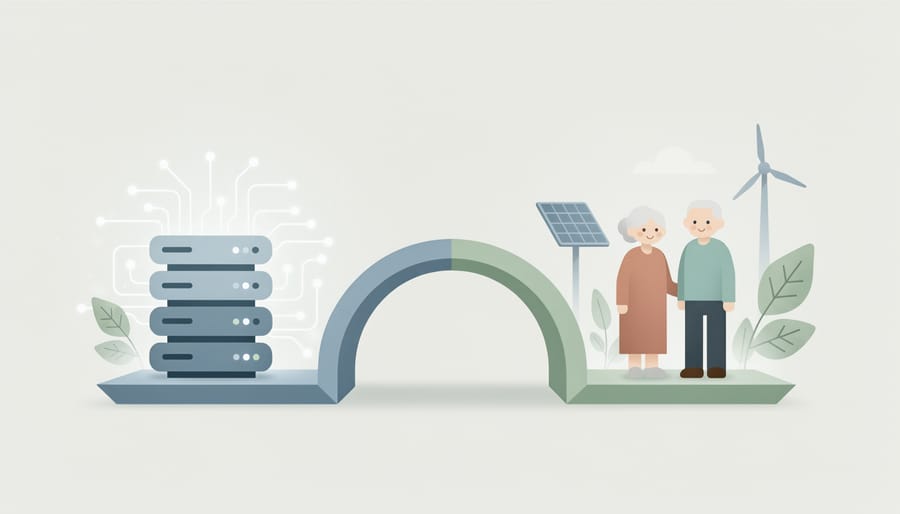
Canada stands at a unique intersection: an aging population that needs support, a commitment to environmental sustainability, and ongoing immigration bringing fresh perspectives and innovation. Emerging technologies tie these threads together, offering practical solutions that help older adults stay independent while reducing the environmental footprint of care delivery.
These technologies aren’t replacements for human connection, they’re tools that free up time for what matters. When a wearable monitor handles routine vital sign checks, healthcare workers can focus on meaningful conversations. When smart home systems prevent falls, families worry less and seniors maintain dignity. When telehealth reduces unnecessary trips, we save both carbon emissions and the energy older adults would spend traveling.
The innovators designing and implementing these systems increasingly come from immigrant backgrounds, bringing diverse cultural insights about aging, family structures, and community care. This diversity strengthens the technology itself, making it more adaptable to Canada’s multicultural reality where aging looks different across communities.
We’re building something practical here: communities where people of all ages contribute, where technology supports rather than isolates, and where sustainability isn’t abstract but built into daily care systems. The challenges of an aging population are real, but so are the solutions already working in Canadian homes and healthcare facilities today. Technology gives us the tools; immigration brings the talent; sustainability provides the framework. Together, they’re creating communities that work better for everyone.
