
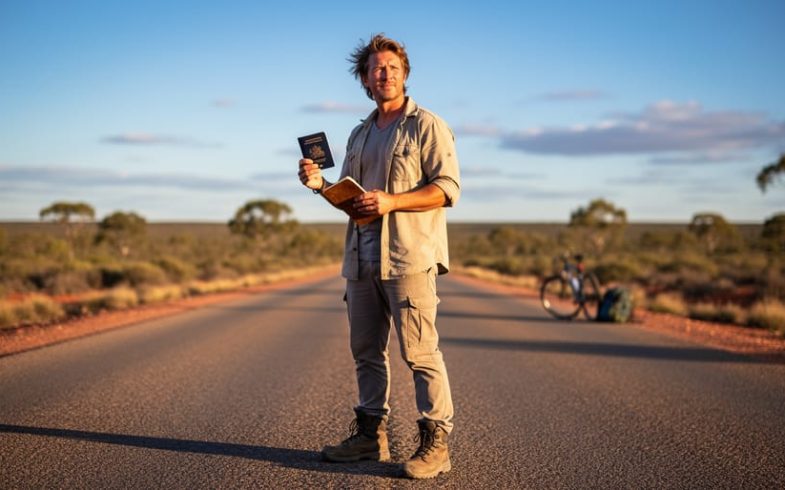
What Is the Australia Work and Holiday Visa for 2026 (and How Does It Work)?
The Australia Work and Holiday visa is a temporary visa that allows young people from eligible countries to travel, work, and study in Australia for up to 12 months, with the 2026 program year bringing important updates to age limits and country allocations. If you’re between 18 and 35 years old and hold a passport from one of the 44 participating nations, this visa opens the door to an extended Australian adventure while earning money to support your journey.
For Canadians specifically, the Working Holiday visa (subclass 417) has long been a popular pathway to experience Australia’s unique blend of coastal cities, regional communities, and outback landscapes. The 2026 program year introduces significant changes that expand access: from July 1, 2026, passport holders from Cyprus, Finland, Germany, and South Korea can now apply up to age 35 (previously capped at 30), and Uruguay joins the program with 1,500 first Work and Holiday visas (subclass 462) available annually.
These shifts reflect Australia’s ongoing commitment to international cultural exchange and, importantly for sustainability-focused travelers, create opportunities to support regional development through work placements in rural and remote areas. Meet Sarah Chen, a 32-year-old graphic designer from Toronto who thought she’d aged out of the working holiday opportunity. “When I learned about the age extension, it felt like a second chance,” she shares. “I’m planning to spend six months working with environmental education programs in Tasmania, something I couldn’t have done at 25 when I was just starting my career.”
This guide walks you through everything you need to know about applying for the Australia Work and Holiday visa in 2026, from eligibility requirements and application timelines to what’s genuinely different this year and how to position your Australian experience within a broader sustainability career path.
What the Australia Work and Holiday Visa Means for Canadians
The Australia Work and Holiday Visa program allows Canadian citizens aged 18 to 35 to live, work, and travel in Australia for up to 12 months. This is specifically for Canadians traveling TO Australia, not the reverse, and it’s designed to fund an extended Australian adventure through casual employment while experiencing the country’s culture and lifestyle.
Two distinct visa subclasses operate under this program, each serving eligible young adults from different countries:
- Working Holiday visa (subclass 417)
- Available to passport holders from countries with a formal working holiday agreement with Australia, including Canada. From July 1, 2026, Cyprus, Finland, Germany, and South Korea passport holders aged 18-35 also qualify.
- Work and Holiday visa (subclass 462)
- Designed for countries with work and holiday arrangements, including Uruguay, which received a new allocation of 1,500 first visas per program year starting July 1, 2026.
- Program year
- The 12-month period during which visa allocations and eligibility rules apply, with significant changes taking effect from July 1, 2026 for certain countries.
- Eligible passport holder
- A citizen of a country participating in Australia’s work and holiday arrangements who meets age, health, character, and other specific requirements set for their nationality.
Canadians apply under subclass 417, and the core purpose is straightforward: work rights throughout your stay let you take casual jobs to pay for travel, accommodation, and experiences across Australia. You’re not tied to one employer and can explore different regions, industries, and communities while earning Australian dollars to sustain your journey. This isn’t a pathway to permanent residency or a traditional work visa; it’s a cultural exchange opportunity that happens to include employment rights as a practical funding mechanism.
The 2026 season is open, with applications assessed individually. Eligible applicants may lodge an application up to 11:59 pm AEST on the day before their 36th birthday, giving Canadians a generous age window to plan their Australian experience.
How the 2026 Application Process Works

The application process for an Australia Work and Holiday visa follows a structured sequence, though each case gets individual attention. Understanding these steps helps you prepare properly and avoid costly mistakes like booking flights too early.
Start by confirming your eligibility. Check that you’re between 18 and 35 years old (for most nationalities; some countries have an upper age limit of 30), hold a passport from an eligible country, and meet the basic requirements. Canadian citizens fall under the Working Holiday (subclass 417) program and can apply any time after turning 18, up until 11:59 pm AEST the day before their 36th birthday. That cutoff is firm.
Once you’ve verified eligibility, gather your documents. You’ll need a valid passport, proof of sufficient funds to support yourself initially, evidence of health insurance, and any additional documents specific to your subclass. The exact list depends on whether you’re applying under subclass 417 or 462.
Submit your application online through the Australian Government’s immigration portal. Each application is assessed individually, so processing times vary. Some applicants receive approval within days; others wait weeks. The variability depends on your specific circumstances, the completeness of your application, and current processing volumes.
Here’s the critical rule: do not book travel to Australia until you receive written confirmation that your visa has been granted. The Australian immigration department explicitly warns against this. Non-refundable flights purchased before approval are your risk alone. Wait for the official grant notice, which arrives by email.
After approval, you have twelve months to enter Australia. The visa itself allows you to stay for up to twelve months from your date of entry. You can work for any employer during your stay, though work with any single employer is typically limited to six months unless you’re in specified regional industries.
The 2026 season is open now, so eligible applicants can submit applications immediately. Earlier application doesn’t guarantee faster processing, but it gives you more flexibility in planning your departure once approved. Review your documents carefully before submitting; incomplete applications slow the assessment process.
Understanding the Two Visa Subclasses
Australia offers two distinct work and holiday visa subclasses, each designed for different groups of countries and carrying slightly different conditions. Understanding which one applies to you depends entirely on your passport.
Working Holiday visa (subclass 417) is available to passport holders from 24 countries and territories, including Canada, the United Kingdom, Ireland, France, Germany, Italy, the Netherlands, and several Asian nations. This subclass has historically served the largest volume of applicants. For Canadians specifically, the 417 visa allows those aged 18 to 35 to fund extended Australian travel through work. From July 1, 2026, passport holders from Cyprus, Finland, Germany, and South Korea also become eligible to apply under subclass 417 if they’re between 18 and 35 years old, reflecting Australia’s expanded age range for select countries.
Work and Holiday visa (subclass 462) covers passport holders from a different set of countries, primarily in Asia, the Americas, and select European nations. This subclass includes the United States, Argentina, Chile, Peru, and Thailand, among others. From July 1, 2026, Uruguay joins this program with an allocation of up to 1,500 first Work and Holiday visas available each program year. Subclass 462 often carries additional requirements beyond those of subclass 417, such as educational qualifications or government endorsements, depending on your country of citizenship.
The practical differences between the two are minimal once granted. Both allow a 12-month stay, work rights, and the possibility of extensions under certain conditions. The key distinction lies in eligibility: your passport determines your subclass automatically. Canadians don’t choose between the two, they apply for subclass 417 because that’s the pathway their citizenship allows. Check the Department of Home Affairs’ country-specific lists to confirm which subclass corresponds to your nationality before you begin your application.
Who Can Apply: Eligibility Requirements for 2026
The Australia Work and Holiday Visa program sets clear criteria to determine who can apply, and 2026 brings meaningful updates for applicants from several countries. If you’re a Canadian citizen between 18 and 35, you’re eligible to apply for a Working Holiday (subclass 417) visa. This age range gives Canadians more flexibility than some other nationalities historically had.
Starting July 1, 2026, passport holders from Cyprus, Finland, Germany, and South Korea gain access to the same expanded age bracket, 18 to 35, for the subclass 417 visa. This change opens the program to older applicants from these countries who previously faced a 30-year age cutoff. The timing matters: you can lodge your application up to 11:59 pm Australian Eastern Standard Time on the day before your 36th birthday. Miss that window, and you’re ineligible.
Here are the core eligibility requirements for 2026:
- Age: 18 to 35 years old for Canadians, and from July 1, 2026, for Cyprus, Finland, Germany, and South Korea passport holders (subclass 417); 18 to 30 for most other Working Holiday countries
- Citizenship: Must hold a valid passport from an eligible country for the duration of your stay
- First-time applicant: The Working Holiday visa is designed for your first extended holiday in Australia, you can’t have held this visa type before
- Application deadline: Submit by 11:59 pm AEST the day before your 36th birthday
- 2026 expansion: Uruguay now has 1,500 Work and Holiday (subclass 462) visas available per program year starting July 1, 2026
The Uruguay allocation represents a new opportunity under the Work and Holiday (subclass 462) program, which typically applies to countries with reciprocal agreements that differ from the standard Working Holiday structure. These 1,500 visas operate on a program-year cycle, so Uruguayan applicants should plan accordingly.
Each application receives individual assessment. Australian immigration authorities evaluate your specific circumstances, documentation, and compliance with program requirements. This isn’t a first-come, first-served lottery, meeting the basic criteria doesn’t guarantee approval, but thorough preparation significantly improves your chances.
The critical rule: don’t book flights or accommodation until you receive written confirmation that your visa has been granted. Processing times vary based on individual circumstances and application volume, so building buffer time into your travel plans prevents costly mistakes. The 2026 season is open, but patience during the assessment phase protects your investment and keeps your plans flexible until approval arrives.
What You Can Do with an Australia Work and Holiday Visa
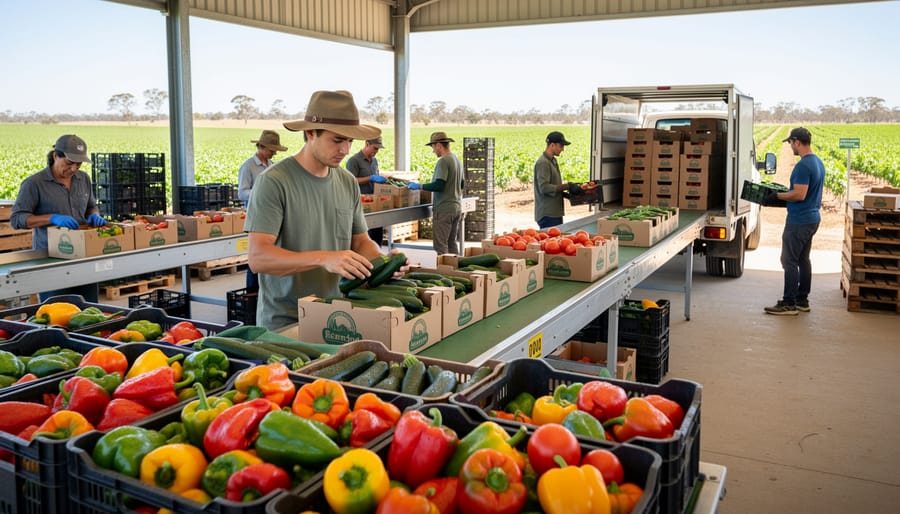
Once you receive your Australia Work and Holiday visa, you gain significant freedom to explore the country while earning income along the way. The visa permits you to work for up to six months with any single employer, giving you flexibility to move between jobs and regions as you travel. Your total stay can extend up to 12 months from your entry date, creating ample time to experience Australia’s diverse landscapes and communities.
You can accept employment across nearly any industry, from hospitality and retail in coastal cities to seasonal agricultural work in regional areas. Many visa holders start in metropolitan centers like Sydney or Melbourne, working in cafes, restaurants, or tourism operations, then transition to fruit picking, farm work, or vineyard harvesting in rural regions. This combination allows you to fund your adventure while experiencing both urban and rural Australian life.
Study opportunities exist but remain limited to four months of formal coursework. This restriction keeps the visa’s primary focus on work and travel rather than education, though you can certainly take short courses to develop new skills or pursue casual learning experiences.
Regional work carries particular value. If you complete three months of specified work in designated regional areas, often agricultural, mining, or construction roles, you become eligible to apply for a second Working Holiday visa, potentially extending your Australian experience to two years total. A third visa becomes possible with additional regional work during your second year.
Take Maria, a 28-year-old Canadian who spent her first three months working at a Sydney hostel, then moved to Queensland for grape harvesting and winery work. The regional employment not only funded her coastal explorations and Great Barrier Reef diving trips but also qualified her for a second-year visa. She returned the following season to work in Tasmania’s apple orchards while exploring the island’s wilderness. Her visa didn’t just enable travel, it connected her to rural communities, seasonal rhythms, and Australia’s agricultural backbone, creating an experience far deeper than conventional tourism allows.
What Changed for 2026
The 2026 program year brings two notable expansions to Australia’s Work and Holiday scheme. From July 1, 2026, citizens of Cyprus, Finland, Germany, and South Korea can apply for the Working Holiday (subclass 417) visa up to age 35, a five-year extension from the previous 30-year cap. This change recognizes that international mobility patterns are shifting as young professionals delay traditional milestones, and it aligns with Australia’s need to address population ageing in regional areas where seasonal labour supports agricultural communities.
Uruguay enters the Work and Holiday program for the first time in 2026, with 1,500 subclass 462 visas available each program year to eligible Uruguayan passport holders. This addition reflects Australia’s effort to diversify its temporary migration sources and strengthen cultural ties across South America.
Both changes support Australia’s broader immigration and sustainability objectives. Seasonal work in regional centres, whether in hospitality, agriculture, or tourism, helps smaller communities maintain services without fueling urban sprawl in major cities. By welcoming a wider age range and new nationalities, the program channels labour to where it’s most needed while enabling participants to fund extended cultural exchanges. Applicants from all eligible countries still face individual assessment and must apply by 11:59 pm AEST the day before their 36th birthday.

Common Questions About the 2026 Work and Holiday Visa
Applicants often have similar concerns when preparing their Australia work and holiday visa applications. Understanding these common questions helps you avoid mistakes and ensures proper travel compliance before departure.
Can I book my flight before my visa is approved?
No. The Department of Home Affairs explicitly advises against booking travel to Australia until you receive written confirmation that your visa has been granted. Processing times vary individually, so wait for official approval before committing to travel dates.
What is the exact age cutoff for applying?
Canadian applicants can submit applications until 11:59 pm AEST on the day before their 36th birthday. For Cyprus, Finland, Germany, and South Korea passport holders, this expanded age eligibility (18 to 35) takes effect from July 1, 2026.
Do I need a job offer to apply?
No job offer is required. The visa is designed to let you fund extended travel through work you find after arrival, giving you flexibility to explore different regions and employment opportunities throughout your stay.
How long does the application assessment take?
Applications are assessed individually, so processing times vary depending on your specific circumstances and the completeness of your submission. Apply well before your intended travel date to allow adequate time for assessment.
The application process represents an intergenerational transfer of cultural exchange opportunities, building on decades of reciprocal working holiday agreements between Australia and partner countries. The 2026 season is now open, with eligibility spanning Canadians aged 18 to 35, plus expanded access for select European and Asian countries from mid-year. Uruguay passport holders can also access up to 1,500 subclass 462 visas starting July 2026, broadening the program’s reach across continents.
The Australia Work and Holiday Visa 2026 opens doors for Canadian and other eligible young adults to experience one of the world’s most diverse landscapes while contributing to regional communities that sustain it. This isn’t simply a travel permit. It represents a carefully structured exchange: visitors gain the freedom to fund extended exploration through meaningful work, while Australia’s regional areas benefit from the energy and skills of international participants during peak seasons.
For Canadians aged 18 to 35, the pathway is clear and accessible. The 2026 season is open, with expanded age eligibility now extending to passport holders from Cyprus, Finland, Germany, and South Korea, and a new allocation for Uruguay participants. These changes reflect Australia’s commitment to fostering cross-cultural understanding through immigration policy that supports both individual opportunity and community development.
If you’re considering this opportunity, verify your eligibility carefully and apply before booking any travel. The process is individual and straightforward, but timing matters. This visa does more than facilitate adventure, it connects people across borders, supports sustainable rural development, and creates lasting ties between nations through shared experience and work.
